
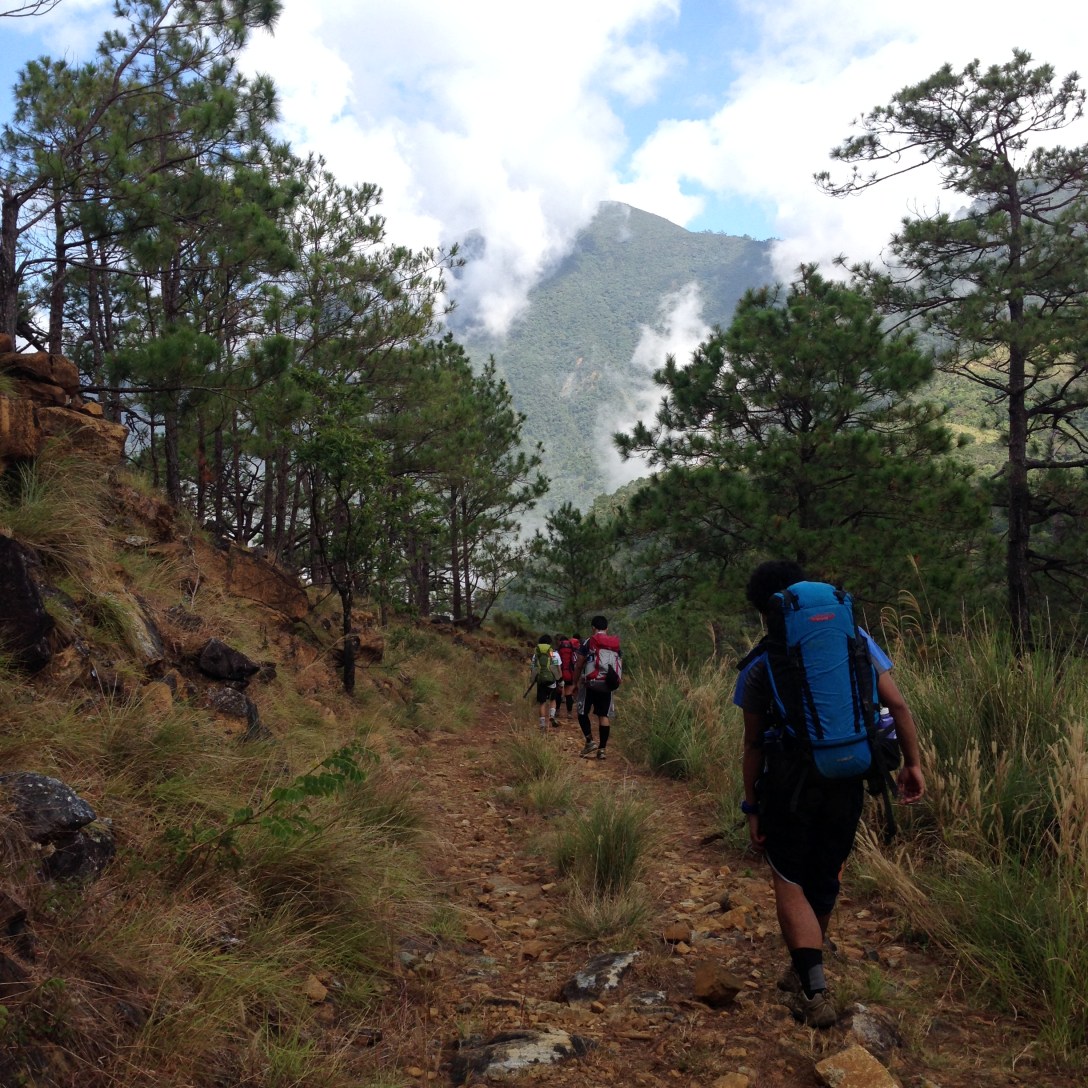
Tayá means many things for different Filipinos, the context usually differing depending on where they are at their point in life — for children, the “it,” an adjective used to characterise the person tagged and tasked to chase playmates, in open corridors, grassy fields, cemented playgrounds; for adults, the act of gambling, a verb symbolising movement, taking chance, wishing that long winding corridors lead to doors that take them to places, that grassy fields grow resplendent with flora, that cemented playgrounds become littered with families and couples, and strangers who might or might not leave the playground as friends.
Tayá is the opening of the self to the unknown, of reaching out and being unafraid to open up the palms to what lies ahead and beyond. Of jumping into the abyss, or somersaulting into the water, of dressing up for school or work, of extending an arm to make a greeting.
Tayá is the courage to face the void, believing that the void will not just stare back, and preparing for it – whatever it may be, or not be. The assent to an invite of adventure, the acknowledgement of a person’s greeting, the nod to a creation of a dream.
Tayá is the promise of the self for the self to continue. It is putting one step in front of the other, assured only by the strength of limbs that have experienced pain many a time, hardships many a time, failure many a time. It is the fervent belief that living through the day is going to be easy because you were able to get out of bed.
Tayá is creating dreams, like children drawing on empty pads. Nothing too big to be drawn, nothing too constricted to have to fit within the lines. It is colouring the sun a bright magenta, it is using different strokes, it is creating new patterns when the hand slips to far beyond the shapes presented.
Tayá is knowing that life is not limited to the plan laid out, because more plans will always have their way of creeping in when eyes are closed, when backs are turned, when hands are busy doing other things.
Tayá is being shaken, sorted, plucked. It is being afraid, but not being disillusioned; drained, but not disenchanted. Torn apart, but whole.
Tayá is strength in the midst of adversity, having known that adversity has always existed, but trying — always trying — anyway.

 Of perpetual finds