
One of the mentors I looked up to most in Ateneo once said, “You know you’re an Atenean if you understand that living the good life doesn’t have to mean sacrificing the Earth.”
—
Last May 10, 2014, the Loyola Mountaineers set out to Rizal for the National Clean-Up Climb Day spearheaded by Gideon Lasco of Pinoy Mountaineer. Of course, this isn’t to say that other climbs aren’t clean-up climbs at all, but rather that on that day, mountaineers all over the country were called to solidarity — to spend a day in one united venture to help restore the mountains to their natural beauty, untouched by their greatest and most invasive climbers — humans.
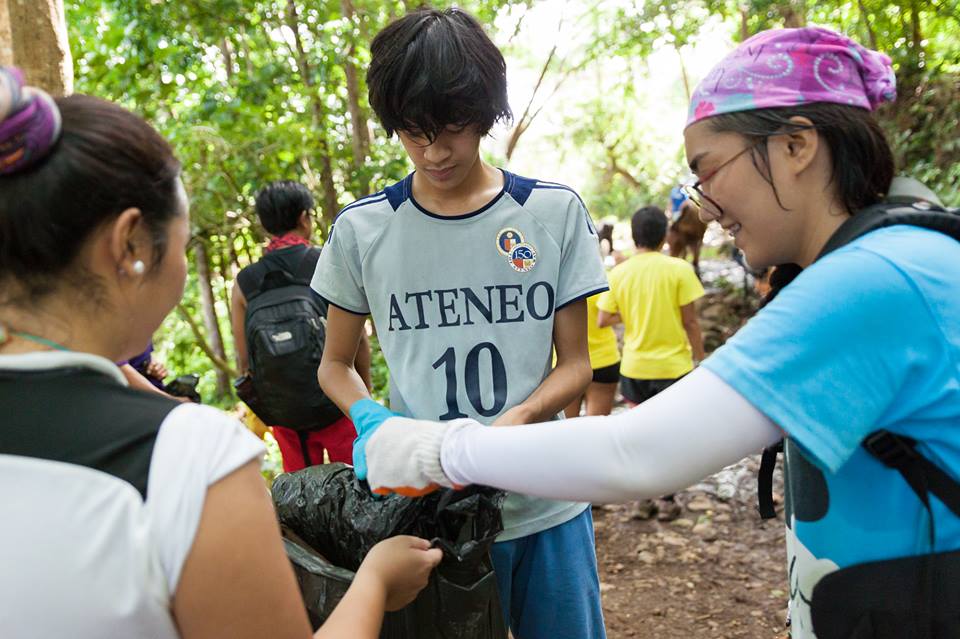
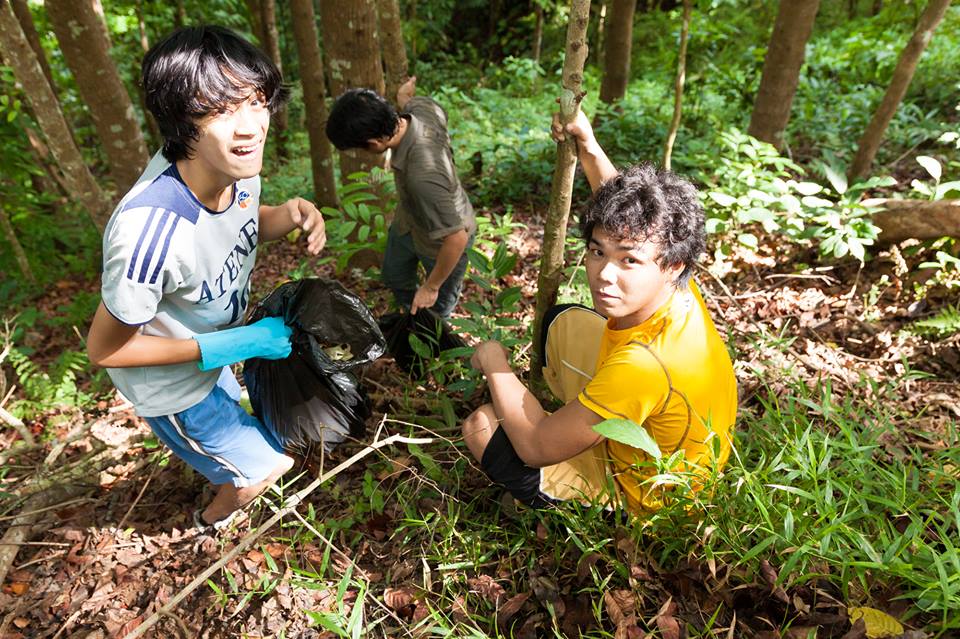
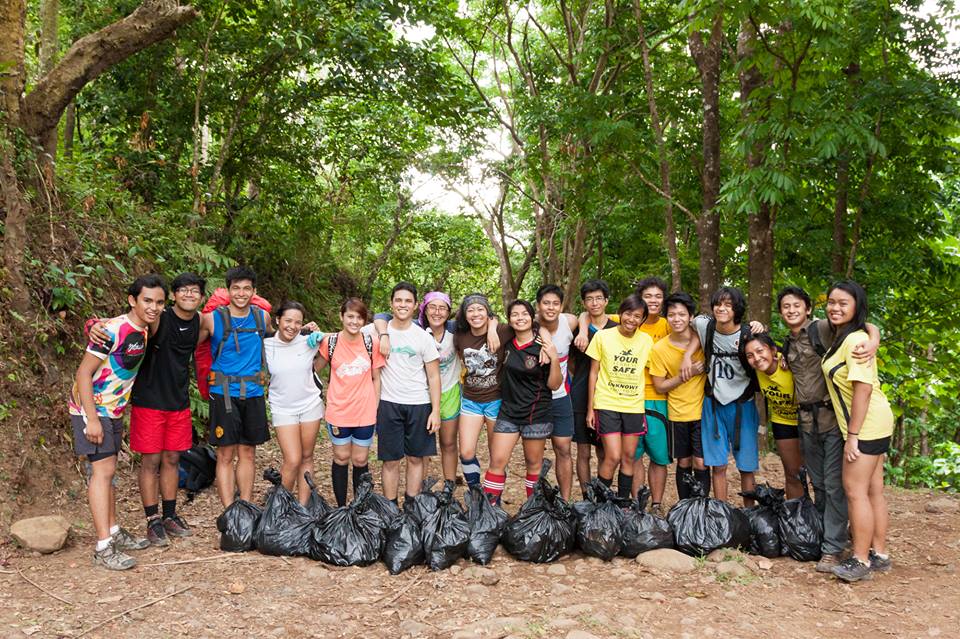
Photos by Ryan Racca
After only a few hours of trekking, we gathered 24 trash bags worth of plastics, glass bottles, and otherwise non-biodegradable garbage. It was heartbreaking to witness the remnants left by people — these same people who went to the mountains to find sanctuary — and who went down not only leaving footsteps and emotional baggage behind, but also physical trash dug into the soil as though burying them a few inches into the ground would make the world forget that they were there, slowly destroying the ecosystem.
I’ve always believed — and strictly adhered — in the Leave No Trace ideal.
Unfortunately, not a lot of people do.
I guess it’s a complex we all have as humans. We think that a mountain owes us something just because we’ve reached its peak, or because we were able to listen to the birds welcoming us as we walked our way to its summit at daybreak. We forget that George Mallory only said that he climbed mountains because they’re there, but he never said that he used the mountains as a garbage disposal just because.
We forget that mountaineering isn’t about telling everyone how we’ve reached the top in less than a day, or how many steep ascents we had to overcome to witness the canopied campsite. No. Mountaineering — I learned — is about humility; it’s a declaration of how tiny we are when compared to the world and how fortunate we are that the mountains even let us trek through it; but also, and perhaps more importantly, mountaineering is about understanding our greatness; it’s a wake-up call so we can see what we’re capable of doing if we all do one wrong thing, however small, or if we all do one right thing, no matter how inextravagant.
Mountaineering is about realizing we owe the mountains, and paying the debt means doing the right thing.
—
That same mentor taught us that the world has been here long before us, and with it, the mountains and seas. She said that because of this, it never really wasn’t the Earth that needed saving. It’s been doing well before man appeared, and it will do well on its own once we’re no longer here. The reason, however, why we protect it — clean its mountains, protect its corals, conserve its caves — is because we need protecting.
The Earth could very well exist without us. The question begs to be asked, though, can we live without it?
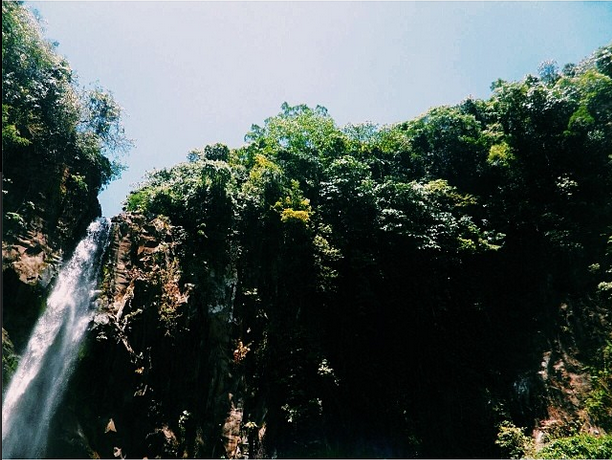
Buntot Palos falls. Photo by me.

 Of perpetual finds
“Mountaineering is about realizing we owe the mountains, and paying the debt means doing the right thing.” Well-stated. Kudos to you and all other individuals who took part in the first annual NMCD. All the best!
I saw your post about the NMCD in Ugo, too, and I loved your photos! I’m so glad to have been able to participate this year.
See you in the mountains! Haha.
Thanks! See you on the trails! 🙂